
Senior Home Phone Safety: Blocking Robocalls and Callback Traps
Scam calls can frighten and confuse older adults, especially when they target the home phone. Here is how families can block robocalls and recognize callback traps before harm is done.
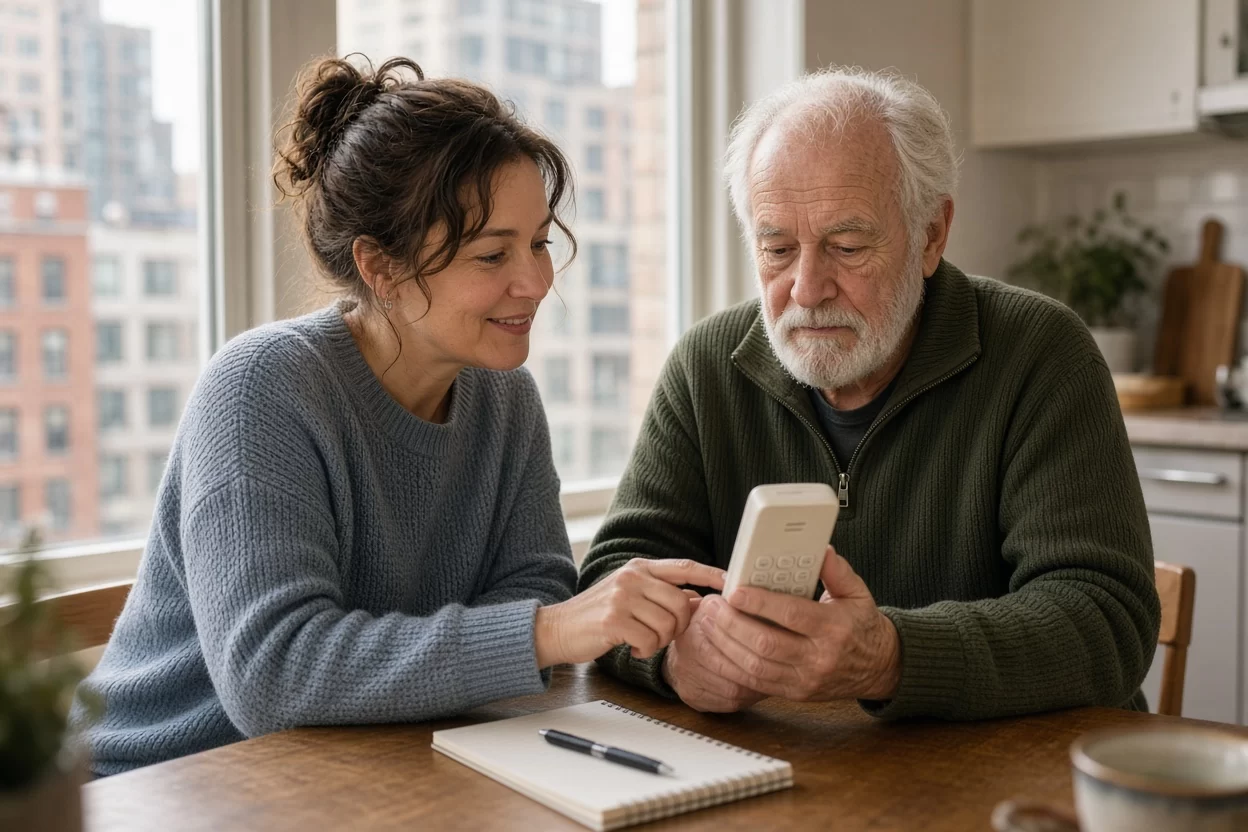
For many older adults, the home phone is a lifeline. It is how a grandchild calls on Sunday, how a doctor’s office confirms an appointment, and how a neighbor checks in. That same phone can also become a source of worry when it rings several times a day with recorded messages, urgent-sounding warnings, or strangers who seem to know a little too much. If you care for a parent, spouse, or friend who lives alone, you have probably seen how unsettling these calls can be. This guide walks through practical, calm steps to reduce robocalls, recognize callback traps, and help your loved one feel more in control of the phone in their own home.
Why Older Adults Are Frequent Targets
Scam callers do not choose targets at random. Many rely on the same tactics: a sense of urgency, a claim of authority, and a request for quick action. Older adults are often targeted because they may have a landline that is answered during the day, because they may have savings and a good credit history, and because some were raised to be polite and to answer when a phone rings. A caller who sounds official, such as someone claiming to be from a government office, a bank, or a utility, can feel very convincing to someone who is not sure how these systems work.
Memory changes, hearing loss, and isolation can make the situation harder. A person who is hard of hearing may not catch every word and may agree to something they did not fully understand. A person who lives alone may welcome any voice on the line, even a suspicious one. Caregivers should not view this as a failure of intelligence. Scam operations are professionally designed, and anyone can be pressured when a call comes at a vulnerable moment. The goal is to build simple habits and protections so that no single call has to be judged perfectly under stress.
It also helps to talk openly about this with your loved one. Framing the conversation as shared protection rather than a sign of decline tends to go over better. Many older adults are relieved to learn that these calls are common and that hanging up is always an acceptable choice.
Understanding Robocalls and Their Purpose
A robocall is an automated call that plays a recorded message rather than connecting to a live person at first. Some robocalls are legitimate, such as appointment reminders from a pharmacy or a school closing notice. Many others are unwanted marketing, survey requests, or scams designed to collect personal information. The sheer volume can be exhausting. A phone that rings five or six times a day with recordings can make a household feel under siege.
Robocalls often use caller ID spoofing, which means the number displayed on the screen may look local, familiar, or even match the first few digits of your own area code. This is why a number that looks safe is not necessarily safe. Caregivers should teach their loved one that caller ID shows what the caller wants you to see, not necessarily who is really calling. A good rule is that if a call is important, the person can hang up and call back using a number they already know and trust, such as the number printed on a bill or the number saved in their contacts.
Understanding the purpose behind robocalls can reduce fear. These calls are usually designed to be a numbers game. The caller places thousands of calls hoping a small percentage will engage. Hanging up is not rude, and staying silent or pressing a number to ‘be removed from the list’ can actually signal that the line is active, which may lead to more calls.
Practical Steps to Block Unwanted Calls
Several practical tools can cut down on unwanted calls. Start with the phone itself. Many landline phones and cordless phones include a call-blocking feature that allows you to add specific numbers to a block list. Some models also let you silence calls from numbers not stored in the contacts. Walk through the owner’s manual together, or ask your telephone provider to help you find these settings. Write down the steps and tape them near the phone so your loved one can refer back to them.
- Enable any built-in call-blocking or ‘anonymous call rejection’ feature offered by the phone.
- Use the phone’s contact list and set it to ring only for saved numbers, if the model supports this.
- Ask your phone or internet provider about call-filtering services, which may be available at little or no cost.
- Register the home number on the national Do Not Call list, understanding that scammers may ignore it but legitimate telemarketers are supposed to respect it.
- Consider a call-screening device or a phone with a built-in answering machine so unknown callers leave a message first.
Your phone carrier may also offer tools that flag suspected spam calls before they ring through. Ask whether these are active on your loved one’s account. Some carriers provide a way to report unwanted calls, which helps improve filtering for everyone. Be aware that some of these services have monthly fees or require specific plans, so compare options carefully and avoid anything that requires sharing sensitive financial details to sign up.
Recognizing the Callback Trap
A callback trap is a tactic in which a caller leaves a short message or a missed call and hopes the person will ring back. The number may begin with an unusual area code, such as one associated with premium-rate services, and the call-back may charge high per-minute fees or connect to a recorded line designed to keep you on the phone. Sometimes the trap is simpler: a message says a package is waiting, a loan is pending, or a relative is in trouble, and the only way to get more information is to call a number back.
The goal of a callback trap is to make the person feel compelled to act quickly. A missed call that says something like ‘Your account has been suspended, call this number immediately’ is designed to create fear. Teach your loved one that a legitimate organization will not generally demand an immediate callback to an unfamiliar number to avoid losing money or freedom. When in doubt, the safest option is to ignore the message and independently look up the organization’s official phone number.
Warning Signs to Watch For
- A missed call from an unfamiliar number with an area code that is not one your loved one recognizes.
- A voicemail that creates urgency, such as threats of arrest, account closure, or unpaid debts.
- A request to pay in gift cards, wire transfers, cryptocurrency, or prepaid debit cards.
- A caller who insists on secrecy, asking the person not to tell family members.
- A caller who asks for a Social Security number, bank account number, or passcode over the phone.
Creating a Simple Call-Handling Routine
Many families find that a simple written routine helps an older adult handle calls without second-guessing every decision. The routine can be as basic as: if you do not know the number, let it go to voicemail; if the caller leaves a message, do not call back the number left in the message; instead, look up the organization’s official number and call it yourself. Post this near the phone in large print. Consistency is more important than complexity.
Some caregivers also set up a trusted contact list. This is a short list of family members, friends, or a care coordinator who can be called to verify a suspicious message. The person can say, ‘Let me check with my daughter before I respond,’ which gives them permission to pause. Scammers rely on speed, and a built-in pause can defeat much of their strategy. Make sure the list is kept current and that every person on it knows they may be asked to help.
Rehearsing the routine can be useful. Sit together and role-play a few scenarios. You might say, ‘Pretend I am a caller saying your grandson is in jail and needs bail money. What would you do?’ Practicing the calm, slow response often makes the real call feel less intimidating.
Protecting Personal and Financial Information
Information is the currency of scam calls. Even small details, such as confirming a date of birth or the name of a pharmacy, can be used to build a more convincing story on the next call. Teach your loved one never to confirm personal information to an incoming caller, even if the caller seems to already know some of it. Legitimate organizations generally have the information on file and will not need it read back to them over an unexpected call.
Financial protections should be reviewed regularly. Caregivers can help by checking bank and credit card statements for unusual charges, setting up transaction alerts, and speaking with the bank about flagging unusual wire transfer requests. Some families arrange for a trusted person to be notified of large withdrawals. These steps are not about taking control away from the older adult; they are about adding a safety net that catches problems early. Always involve your loved one in these decisions so they keep their dignity and understand what is being done.
When to Involve Family, Providers, or Authorities
If a call seems to have led to a loss of money, personal information, or a sense of threat, act promptly. Contact the bank or card issuer right away, as they may be able to stop a transaction or freeze an account. Consider reporting the incident to the Federal Trade Commission or the Federal Communications Commission, and in New York, the state Attorney General’s consumer protection office accepts complaints about fraud. Local police can also file a report, which may be needed for certain financial recovery processes.
Emotional support matters too. Many people feel embarrassed after being deceived, and shame can lead them to hide future problems. Reassure your loved one that scams are designed to fool capable people and that reporting quickly is the smart move. If you notice repeated confusion about phone calls, sudden secrecy about finances, or new anxiety about the phone, it may be worth discussing these changes with a doctor, since they can sometimes signal a need for additional support.
How Home Care Support Can Help
Families often find that a steady, familiar presence makes the biggest difference. A home health aide or personal care aide who visits regularly can help set up call-blocking features, review the call log together, and keep the posted routine up to date. In many New York households, a caregiver’s routine check-ins also provide a natural opportunity to notice when a loved one seems unusually stressed about the phone or mentions a new unfamiliar caller. Caregivers can share those observations with family so that small concerns do not grow into larger problems.
Some families also choose to coordinate with care managers or other professionals who can help them think through a longer-term plan. Whether your loved one needs occasional guidance or more regular support, planning ahead can ease the load and give everyone more peace of mind.
Frequently Asked Questions
Can I stop robocalls completely?
Complete elimination is rarely possible, since scammers constantly change numbers and methods. However, a combination of built-in phone blocking, carrier filtering, and a clear call-handling routine can reduce unwanted calls significantly. The aim is to make the phone manageable rather than perfect.
What should I do if my loved one already called back a suspicious number?
Stay calm and act quickly. Contact the bank or card company to report any unauthorized charges, and ask about freezing or monitoring the account. Consider changing passwords and reporting the call to the Federal Trade Commission or the New York Attorney General’s office.
Is it rude to hang up on a caller who sounds official?
No. A legitimate organization will understand if you decline to continue a call and choose to contact them directly through a number you already trust. Hanging up is a reasonable and safe choice whenever you feel pressured or uncertain.
Should I let my loved one keep a landline if they only get scam calls?
This is a personal decision that depends on how important the landline is for emergencies, daily contact, and safety. Many families keep the landline and add filtering tools, while others move to a mobile device with strong spam protections. A caregiver or family member can help weigh the options together.
How can I tell if a call from a family member is real?
Scammers sometimes impersonate grandchildren or relatives in distress. If a call seems urgent and asks for money or secrecy, hang up and call the family member on a number you already know. Agree on a family code word that only trusted people would know, which can be a helpful safeguard in emergency situations.
If you are caring for an aging parent, spouse, or friend and want help building a safer daily routine at home, the team at Rockaway Home Care is happy to talk with you. We offer a free consultation to walk through your loved one’s needs and explore how home health aide, personal care, and other support services can fit into your family’s situation. There is no pressure, and every conversation starts with listening to what matters most to you and the person you care for.
note that this is general information, not medical advice
More from the Rockaway Home Care blog
- Understanding Medicaid home care eligibility
- Top questions families ask about home care costs
- Choosing between live-in care and hourly home care
- How to create a home care plan for a loved one